
Open houses are funny little performances.
Fresh candles burning. Throw pillows arranged with military precision. Somebody baked cookies an hour earlier so the house smells vaguely like cinnamon and financial optimism. Meanwhile buyers walk around pretending they totally understand what “good bones” means.
And somewhere during the tour, somebody notices the floor feels… off.
Not dramatically. Just enough that your footsteps feel slightly crooked crossing the living room. Maybe a dining chair rocks subtly even after adjusting the legs. Maybe your water bottle slowly rolls across the kitchen floor like it’s late for another appointment.
That’s usually the moment people start paying attention.
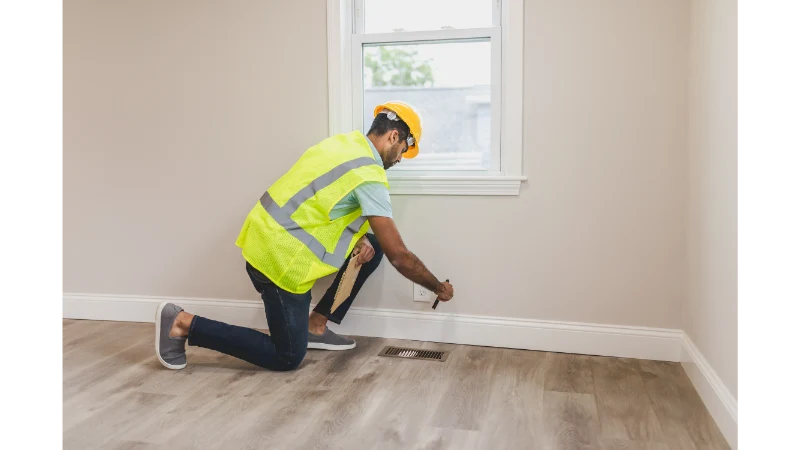
If uneven floors come up during a home inspection, companies like Acculevel often explain that floor movement may point toward larger structural or foundation related concerns underneath the home. And honestly, inspectors tend to notice these things fast because uneven flooring rarely exists completely by itself.
Homes leave clues everywhere.
Floors Usually Tell the Story Early
A lot of buyers focus on cosmetic details during home tours. Paint colors. Countertops. Fancy faucets with names sounding suspiciously expensive. But inspectors look at homes differently.
They notice patterns.
Uneven flooring can reveal shifting beneath the structure long before dramatic wall cracks or visible foundation damage fully develop. Tiny slopes sometimes indicate soil movement, moisture problems or weakened support systems underneath the home.
And once you feel it, you can’t unfeel it.
I remember touring an older property years ago where the entire dining room subtly leaned toward one corner. Not enough to feel dangerous. Just enough that everyone entering the room paused for half a second like their brain needed recalibration.
The seller claimed the house had “historic charm.”
The inspector called it uneven settlement.
Both technically true, I suppose.
Not Every Uneven Floor Means Disaster
Important disclaimer here because people spiral quickly once foundation issues enter the conversation.
Older homes naturally settle over time. Some floors develop slight imperfections simply because materials age and structures shift gradually through decades of seasonal weather changes.
That part’s normal.
But noticeable sloping, sagging or soft spots deserve closer attention during inspections because they sometimes indicate structural movement still actively happening underneath the house.
Especially if uneven flooring appears alongside:
- Cracks near windows or ceilings
- Sticking doors and windows
- Basement moisture issues
- Gaps around trim or baseboards
- Squeaky or bouncing floors
- Visible foundation cracking
One symptom alone may not mean much. Several appearing together usually paints a bigger picture.
Soil Movement Creates Expensive Surprises
Most uneven floor problems begin underground.
The soil beneath a home constantly reacts to changing moisture levels. During rainy periods, certain soil types expand as they absorb water. Then dry weather arrives and the soil contracts again.
Foundations prefer consistency.
Nature absolutely refuses to cooperate with that request.
Clay heavy soil especially behaves dramatically. After heavy rain it swells like overproofed bread dough. During drought conditions it shrinks enough to create uneven support beneath portions of the foundation.
That movement eventually travels upward through the structure itself.
Floors respond early because they sit directly above shifting supports.
Moisture Problems Usually Lurk Somewhere Nearby
Water tends to appear in these conversations constantly because honestly, it causes an absurd number of home issues.
Poor drainage around the house allows moisture to collect near the foundation. Gutters overflow. Downspouts dump water too close to the structure. Soil saturation increases pressure against basement walls and destabilizes support underneath portions of the home.
The effects build gradually.
Last year my cousin toured a house where one hallway floor dipped noticeably near the laundry room. The property looked gorgeous otherwise. Fresh paint. Updated kitchen. Fancy light fixtures hanging everywhere like the house desperately wanted to appear on HGTV.
Then the inspection revealed years of drainage problems outside had weakened portions of the crawlspace support system underneath.
Suddenly the sloping floor made a lot more sense.
Crawlspaces Quietly Reveal Structural Trouble
Crawlspaces are strange places.
Dark. Damp. Slightly spooky. Full of forgotten storage bins and mysterious pipes nobody fully understands. And unfortunately, crawlspaces often expose structural problems before the rest of the house catches up.
Excess moisture beneath the home weakens wooden supports over time. Floor joists sag. Beams soften. Humidity creates conditions for rot and mold growth.
The damage spreads quietly.
Inspectors frequently check crawlspaces when uneven floors appear because the support system underneath often reveals what’s really happening above. Sometimes homeowners don’t realize moisture has been affecting the structure for years until somebody physically gets underneath the house and starts poking around.
Which sounds like a terrible Saturday honestly.
Buyers Notice Uneven Floors Immediately
Even when buyers don’t understand the structural implications, they notice the feeling instinctively.
Humans are surprisingly sensitive to balance changes inside familiar spaces. A room feels “off” even if people can’t explain why immediately.
And during real estate transactions, perception matters a lot.
Uneven flooring raises questions:
- Has the foundation shifted?
- Is moisture causing structural damage?
- Will repairs become expensive later?
- Is the issue still actively worsening?
Once those concerns enter the buyer’s mind, they tend to stay there.
That’s why uneven flooring can influence negotiations heavily during inspections, especially when paired with visible cracks or basement moisture concerns.
Cosmetic Repairs Sometimes Hide Bigger Issues
This catches buyers constantly.
Fresh flooring installation can temporarily disguise uneven surfaces while the structural problem underneath continues progressing quietly. New paint covers cracks. Decorative rugs camouflage slopes. Furniture placement distracts attention from soft spots in the floor.
Until the inspection happens.
One homeowner I knew spent thousands replacing flooring before selling his house, hoping buyers wouldn’t notice the underlying slope in the living room anymore. The inspector spotted it within ten minutes.
Structural issues don’t care about laminate upgrades.
Companies like Acculevel Foundation Repair Experts often encourage homeowners to investigate floor movement early because identifying the underlying cause matters far more than masking the symptoms cosmetically.
Seasonal Changes Make Structural Movement Worse
Weather patterns lately have been chaotic.
Heavy storms followed by long dry stretches create huge fluctuations in soil moisture around foundations. Freeze thaw cycles during winter create additional movement underneath homes as moisture expands and contracts repeatedly underground.
Houses absorb all of it.
According to FEMA, stable drainage around the foundation helps reduce structural movement tied to shifting soil conditions. Makes sense really. Consistent moisture levels create more stable support underneath the home.
But when weather repeatedly changes soil conditions, floors often reveal the consequences before homeowners realize what’s happening.
Why Homebuyers Shouldn’t Panic Immediately
Uneven floors don’t automatically mean catastrophe. That’s important.
Some homes simply settle slightly over decades without serious structural danger. Older properties especially develop quirks and imperfections over time. A little character isn’t uncommon.
But inspections exist for a reason.
The goal isn’t panic. It’s clarity.
Understanding why the floor slopes helps buyers determine whether they’re looking at harmless aging, manageable repairs or larger structural movement needing attention sooner rather than later.
Because small foundation problems rarely become cheaper with time.
Paying Attention During Inspections Matters
Home inspections aren’t just about checking boxes and testing outlets. They’re opportunities to understand how a house actually behaves beneath the surface.
Uneven flooring often serves as one of the earliest visible clues that something deeper may be happening structurally. Maybe shifting soil. Maybe moisture intrusion. Maybe weakened support systems hidden underneath the home.
Whatever the cause, floors usually reveal the story before the walls fully catch up.
And honestly, houses tend to whisper about problems long before they start screaming.